About
Moving forward from loss with practical tools…integrating your grief into forward growth
Starting at the age of eight years old, I lost three very important people, including my father. Those complicated grief experiences shaped my world view in a way that was difficult to share with others. For so many years it felt like I didn’t know which way was up. Everything I knew to be true in my small frame of reference was no longer valid
Then during covid, my mother became ill and died a year later. I felt the pain of the past returning to cast a long, dark shadow. Therapy had helped over the years, but I found myself frozen in anticipatory grief, unable to make any longterm choices for my life. I was literally and figuratively unable to connect with anyone outside of my immediate family, as we navigated the impossible choices we faced in her daily
care.
It was around this time that I realized I had to pull deep from within for resources and tools to help me cope. I viewed every new day as an opportunity to prepare myself for the realities of this inevitable loss.
And I began to see that the tools I’d been learning and working so hard to gather over the years started paying off.
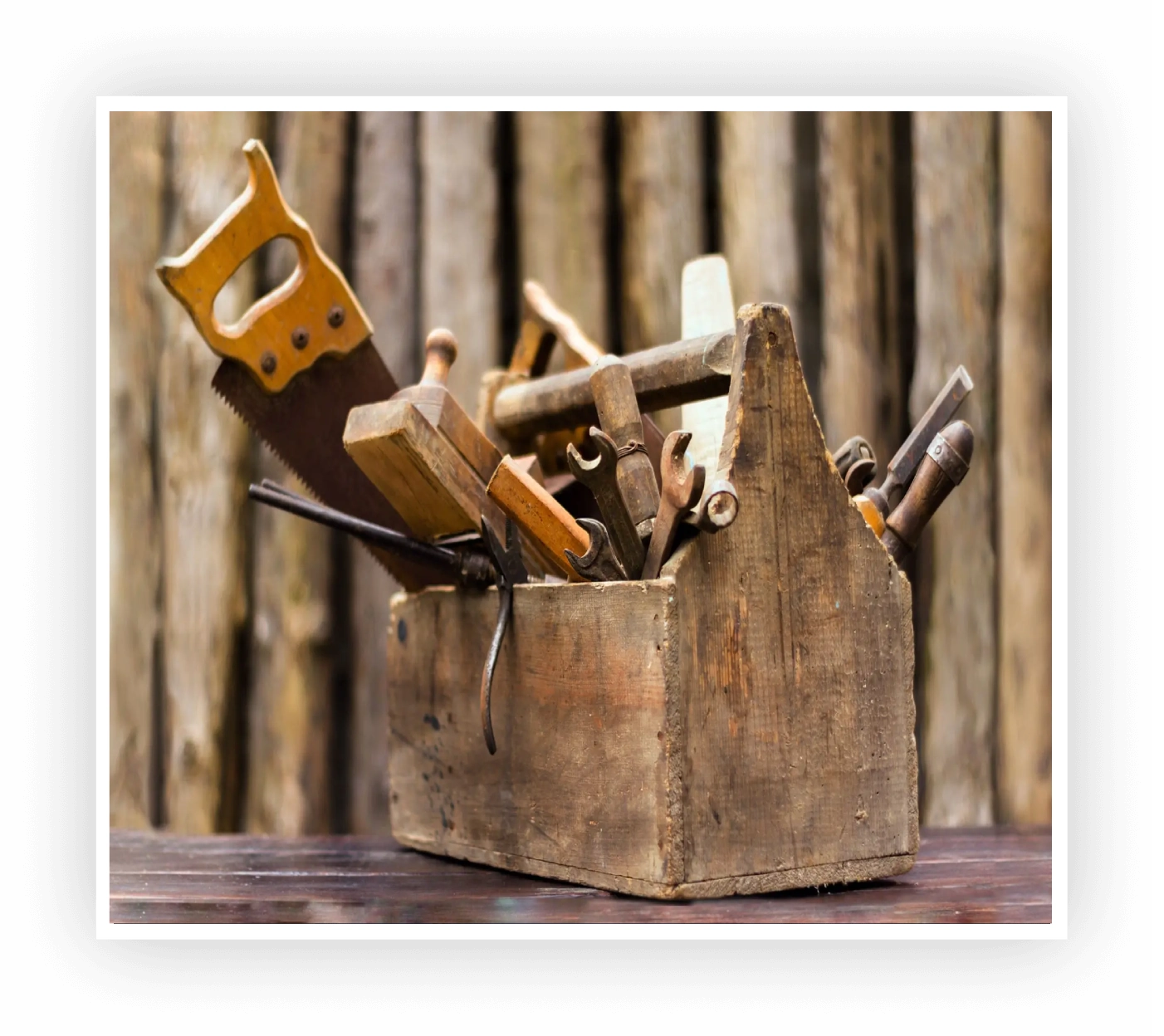
It wasn’t one thing that made everything start to feel better; it was an entire toolchest of resources that helped ease the adjustment into another season of devastating loss. I relied on tools that helped me physically, emotionally and mentally.
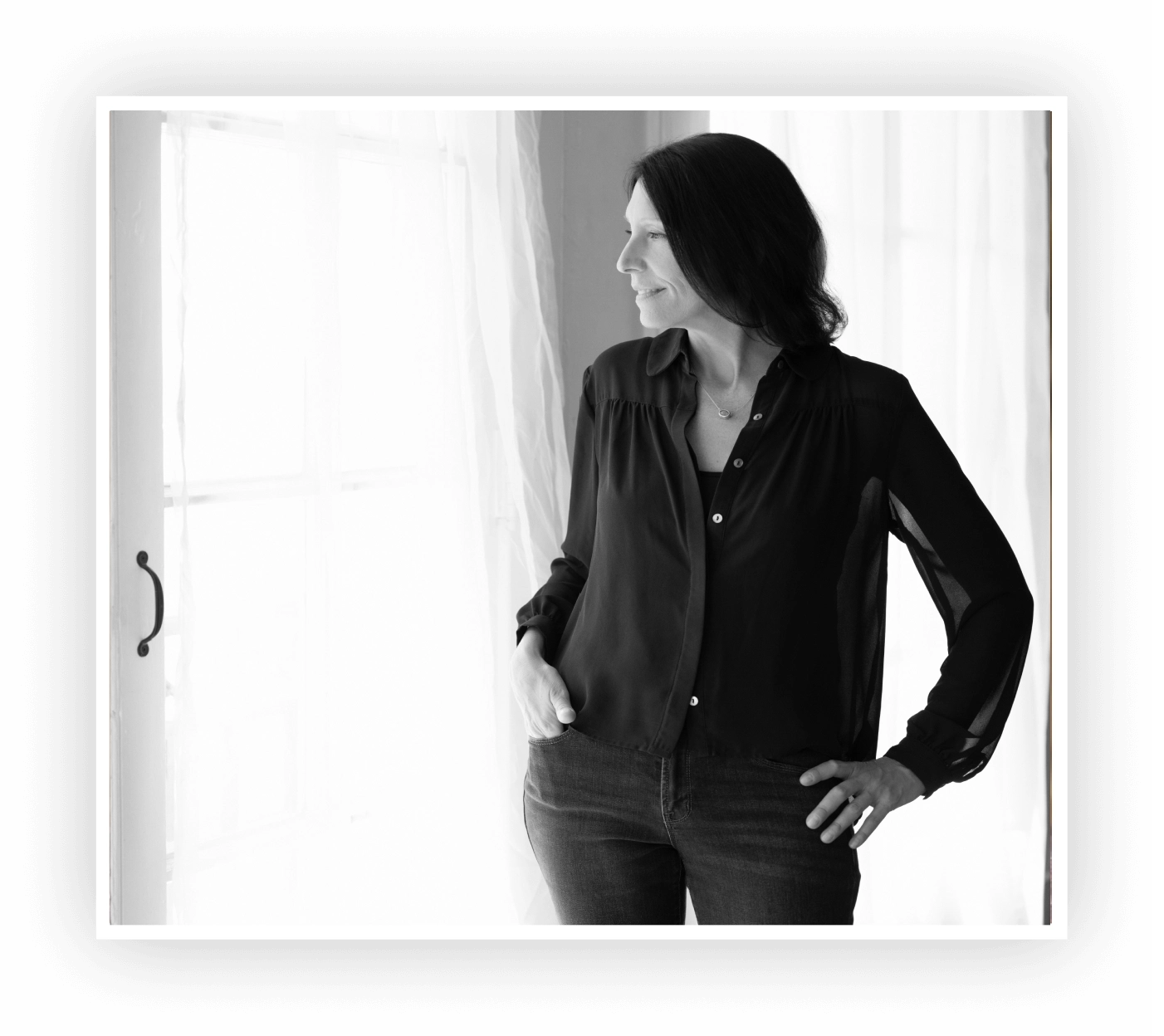
I’m a certified life coach with 20+ plus years of personal therapy, 20+ years of supporting grieving kids and adults
Everything I do comes from experience of working with others—and myself. Through lived experience, I discovered how to use the resources I spent years developing to guide me forward into a new place where I felt more peaceful about moving forward.
And now I’ve created a simple framework that I can share with you to help you learn how to integrate your losses into your life
Learn more about how we can work together to get you the support you need.
Grief is not linear. But using the framework, we will work
together to help you recognize how much you are the expert
in your own life. We help you see how you have the skills to
address your feelings in a more linear structure, so you can